cBallast
Industrial Parts Catalog
Datasheet generated 2026-10-07
sales@cballast.com
cballast.com

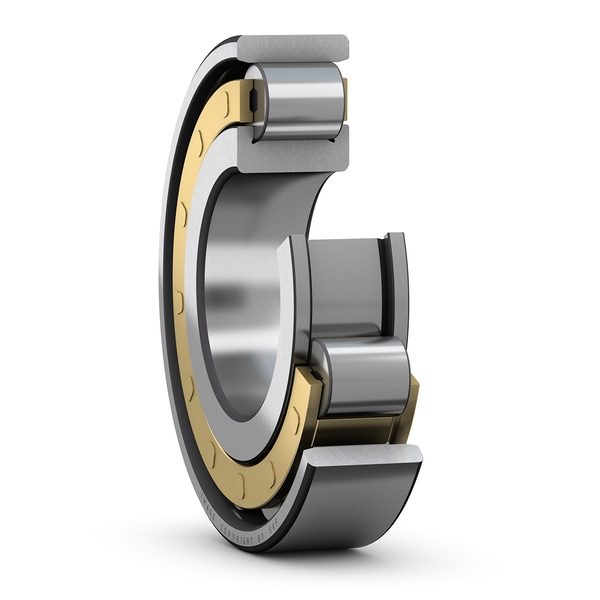
SKF N217ECM Single-row cylindrical roller bearing (NU / N / NJ / NUP)

SKF · Bearings & Power Transmission · Single-Row Cylindrical Roller Bearings · Sweden · skf.com
Part Number
N217ECM  ·  HS 8482.20
SKF N217ECM Single-row cylindrical roller bearing (NU / N / NJ / NUP)

SKF N217ECM single-row cylindrical roller bearing (nu / n / nj / nup). Single-row cylindrical roller bearing. Design executions NU / N / NJ / NUP set the axial-guidance capability by rib configuration on inner and outer ring. Standard cage ECP (glass-fibre-reinforced polyamide 6.6) for bores up to 100 mm; ECM (machined brass) above. Precision to ISO 492 Class Normal / P6 / P5. Very heavy radial-load capacity at moderate speed. Suitable for reduction-gear input shafts, marine deck-machinery drives, paper-mill dryer sections.

Technical Specifications

TypeSingle-row cylindrical roller bearing (NU / N / NJ / NUP)
DesignationSKF N217ECM
Bore d85 mm
HS code8482.20
Bore diameter85 mm
Outside diameter150 mm
Width28 mm
Basic dynamic load rating190 kN
Basic static load rating200 kN
Reference speed4800 r/min
Limiting speed5300 r/min
SKF performance classSKF Explorer
Bearing partComplete bearing
Axial displacement capabilityIn both directions
Number of rows1
Locating feature, bearing outer ringWithout
Bore typeCylindrical
CageMachined brass
Number of flanges, outer ring0
Number of flanges, inner ring2
Loose flangeNone
Radial internal clearanceCN
Tolerance classNormal
CoatingWithout
SealingWithout
LubricantNone
Relubrication featureWithout
Indicative carbon footprint for new product8.1 kg CO2e
Product net weight2.18 kg
eClass code23-05-09-01
UNSPSC code31171505

Properties

MaterialAs declared by SKF designation suffix
Temperature rangePer SKF product data
Primary standardSKF designation convention
MOQ1

Compatibility

Interchange with peer OEM equivalents on identical boundary plan and execution — confirm cage, clearance, sealing and precision-class suffix before substitution.

Cross-References

Attached Documents